
Uncategorized
LiDAR360 v9 and LiDAR360MLS V9
Jan
LiDAR360 v9 and LiDAR360MLS v9 how to download with perpetual license key
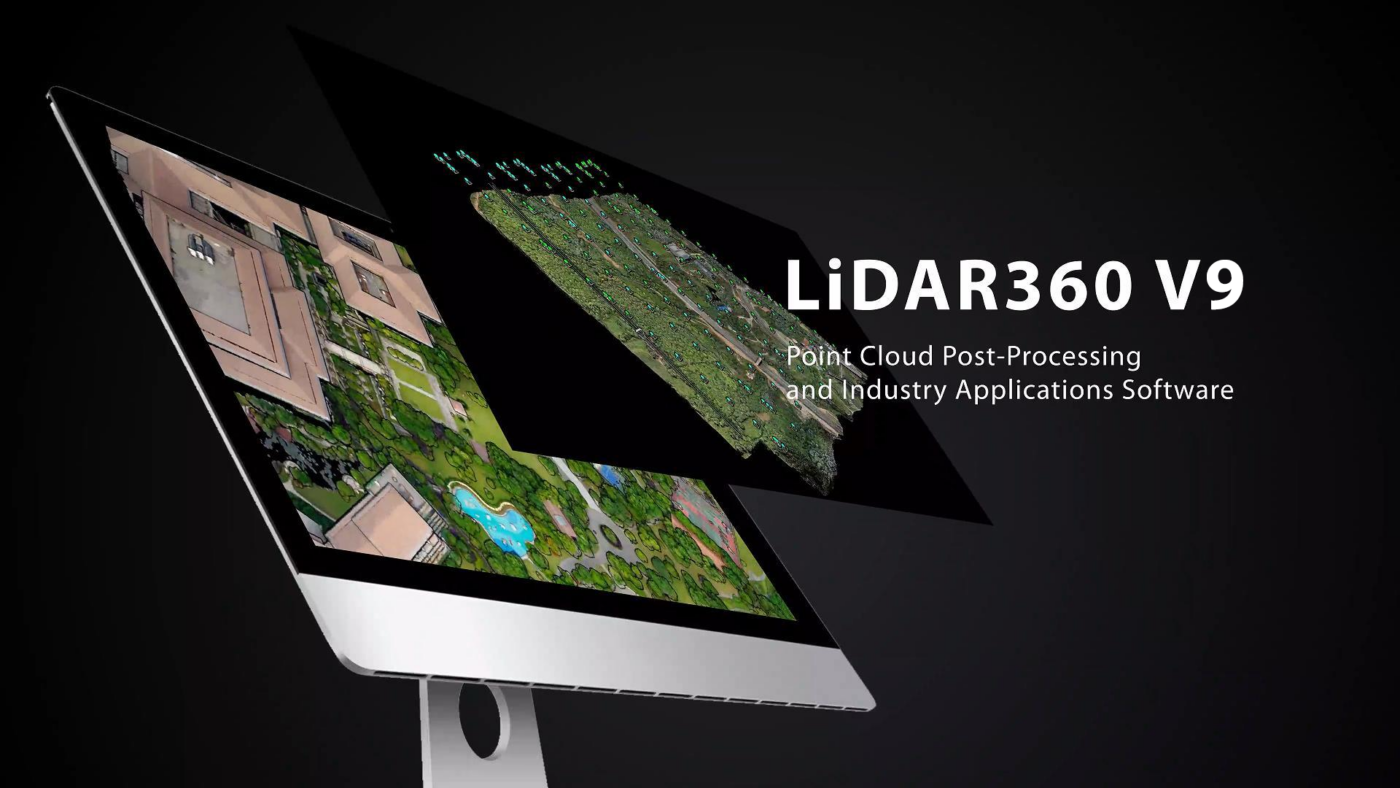
LiDAR360 is a point cloud post-processing and industry application software, equipped with over 700 comprehensive and intelligent tools. It supports multi-industry applications including terrain mapping, forestry surveys, mining safety, 3D real scene modeling, engineering surveying and design, geological disaster assessment, and powerline inspection.
LiDAR360 v9 and LiDAR360MLS v9 are both advanced software solutions designed for processing, analyzing, and visualizing LiDAR (Light Detection and Ranging) data. They cater to different use cases and offer various tools for professional applications like surveying, mapping, and 3D modeling. Here’s an overview of the two:
LiDAR360 v9
LiDAR360 is primarily focused on the general LiDAR data processing workflow. It offers a suite of tools to handle raw LiDAR point cloud data and convert it into usable formats for various industries, including surveying, forestry, and agriculture. The main features typically include:
-
Point Cloud Data Processing: It processes and manages large datasets, helping with point cloud filtering, classification, and segmentation.
-
3D Modeling & Visualization: Offers powerful 3D visualization tools to display point clouds in an interactive environment.
-
Terrain Modeling: It has tools for generating terrain models from LiDAR data, useful for civil engineering and GIS applications.
-
Feature Extraction: Allows users to extract features like buildings, trees, powerlines, roads, and more.
-
Data Conversion: Can convert LiDAR data into multiple file formats for compatibility with other software tools.
LiDAR360 is a more general-purpose tool for those who need to process and analyze LiDAR data across various industries.
LiDAR360MLS v9
LiDAR360MLS (Mobile LiDAR System) v9 is a specialized version of LiDAR360 designed specifically for mobile LiDAR data processing. Mobile LiDAR systems are typically mounted on vehicles or drones and used to collect data for large-scale projects like infrastructure mapping, urban planning, and environmental monitoring. Key features include:
-
Mobile LiDAR Processing: Specifically built for handling data collected via mobile LiDAR systems, with tools for trajectory correction and integration with GPS and IMU data.
-
High-Density Data Handling: Designed to handle the high density and complexity of point clouds generated by mobile LiDAR systems.
-
Data Georeferencing: Accurately georeferences LiDAR data, which is especially important for mobile platforms where precise alignment is necessary.
-
Point Cloud Classification and Feature Extraction: Similar to the regular LiDAR360, but with added optimizations for mobile LiDAR datasets.
-
Real-Time Data Processing: Often includes tools that can process data in real-time, allowing faster turnaround for mobile LiDAR projects.
LiDAR360MLS is tailored for users working with mobile LiDAR systems, which often involve dynamic data collection methods, higher densities, and complex geospatial alignment.
Key Differences:
-
Target Use: LiDAR360 is more general-purpose, while LiDAR360MLS is tailored for mobile LiDAR applications.
-
Data Type: LiDAR360 can process static terrestrial or aerial LiDAR data, whereas LiDAR360MLS focuses on data from mobile platforms like cars or drones.
-
Features: LiDAR360MLS includes features that address the unique challenges of mobile LiDAR systems, like trajectory correction, real-time processing, and more precise georeferencing.
The v9 releases of LiDAR360 and LiDAR360MLS represent a significant advancement in 3D point cloud processing, moving the industry toward highly automated and AI-driven workflows.
LiDAR360 v9 serves as a comprehensive platform for terrain, forestry, and powerline analysis from airborne and terrestrial sources, emphasizing efficiency and massive data handling.
In contrast, LiDAR360MLS v9 focuses on the specialized needs of mobile mapping systems, offering advanced tools for urban asset management, high-definition mapping, and photorealistic reconstruction using 3D Gaussian Splatting.
Together, these updates prioritize processing speed, intelligent feature extraction, and streamlined professional workflows across various geospatial industries.
LiDAR360 8.0 and LiDAR360 MLS 8.0
LiDAR360 8.0 and LiDAR360 MLS 8.0
LiDAR360 8.0 and LiDAR360 MLS 8.0
Lidar360 Software Main Framework – Perpetual License (Version 8) LiDAR point cloud post-processing software LiDAR360 and uses data collected from an open-pit mine as test data to introduce the application of 3D point cloud data in the production of terrain products.